
Foil backing is one of the most distinctive and fascinating techniques found in Georgian jewellery. Used primarily during the 18th and early 19th centuries, this method played a vital role in enhancing the appearance of gemstones long before modern cutting and lighting existed.
Today, foil-backed gemstones are highly sought after by collectors and lovers of antique rings, offering both visual charm and historical insight.
What Is Foil Backing?
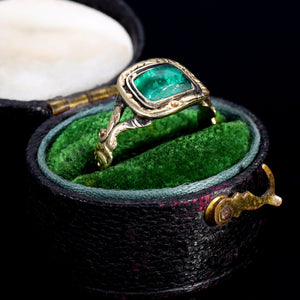
Foil backing is a technique in which a thin sheet of metallic foil is placed behind a gemstone within a closed-back setting. The foil reflects light back through the stone, enhancing its colour, brightness and overall visual impact.
Unlike modern open-backed settings that allow light to pass freely through a gemstone, Georgian rings relied on candlelight. Foil backing was an ingenious solution that maximised sparkle and colour in low-light environments.
Why Foil Backing Was Popular in the Georgian Era
During the Georgian period (1714–1830), gemstone cutting was still relatively primitive by modern standards. Early diamonds and coloured gemstones often had shallow cuts and fewer facets, meaning they reflected less light.
Foil backing allowed jewellers to compensate for these limitations. By carefully choosing the colour of the foil — silver, gold, or tinted hues — they could subtly alter the appearance of the gemstone, making it appear brighter, whiter or more richly coloured.
Gemstones Commonly Foil Backed
Foil backing was used with a wide range of gemstones, particularly those featured in Georgian rings:
- Diamonds, especially rose cuts and table cuts
- Garnets
- Emeralds
- Topaz
- Paste and glass stones
Paste jewellery, in particular, benefited enormously from foil backing, allowing glass stones to convincingly imitate diamonds under candlelight.
Closed-Back Settings and Craftsmanship
Foil-backed stones are always found in closed-back settings. These settings sealed the foil inside, protecting it from moisture and wear while maintaining the desired optical effect.
The craftsmanship required was precise. Jewellers needed to cut the foil to fit perfectly, position it correctly behind the stone, and ensure the setting was sealed without damaging either component.
How Foil Backing Affects Care and Wear
While foil backing creates beautiful effects, it does require careful handling. Moisture can damage or discolour the foil, which is why foil-backed rings should not be submerged in water or exposed to harsh cleaning methods.
This is one of the reasons antique foil-backed rings are often recommended for occasional rather than everyday wear.
Why Foil-Backed Rings Are Still Loved Today
Foil-backed gemstones offer something modern jewellery cannot replicate: warmth, depth and character shaped by historic craftsmanship.
The soft glow produced by foil-backed diamonds and coloured gemstones reflects the lighting conditions of the Georgian era, creating an intimate, romantic appearance that feels entirely different from modern brilliance.
Foil Backing as a Hallmark of Georgian Jewellery
Today, foil backing is one of the key indicators used to help identify Georgian jewellery. Its presence can offer valuable clues about a ring’s age, construction and original intent.
For collectors and enthusiasts, foil-backed rings represent a direct connection to early jewellery-making traditions — a reminder of how beauty was achieved long before modern technology.
Explore our collection of antique and vintage rings to discover pieces that showcase this remarkable historic technique.